
Focus · SSA / STM
Orbit is getting crowded. Not only with objects. With signals too.
Knowing where a satellite is no longer enough. You need to know what it is doing, and who is transmitting.
Why now
Orbit has become shared, congested infrastructure.
Large constellations, more launches and more operators fill the same orbits and the same bands.
Operators, regulators and insurers need to know whether a manoeuvre or an interference is accidental or deliberate, and they need to know fast enough to act.
Where the value gets stuck
The data exists. It sits in different hands.
Optical, radar and radio frequency data have different owners, formats and rules. The value is in fusing them into answers.
Optical
Where objects are
Radar
How they move
Radio frequency
What they transmit, and who
↓ Fusion
Infrastructure, data sharing agreements and a business model.
→ Conjunction warning · Interference source · Anomalous behaviour
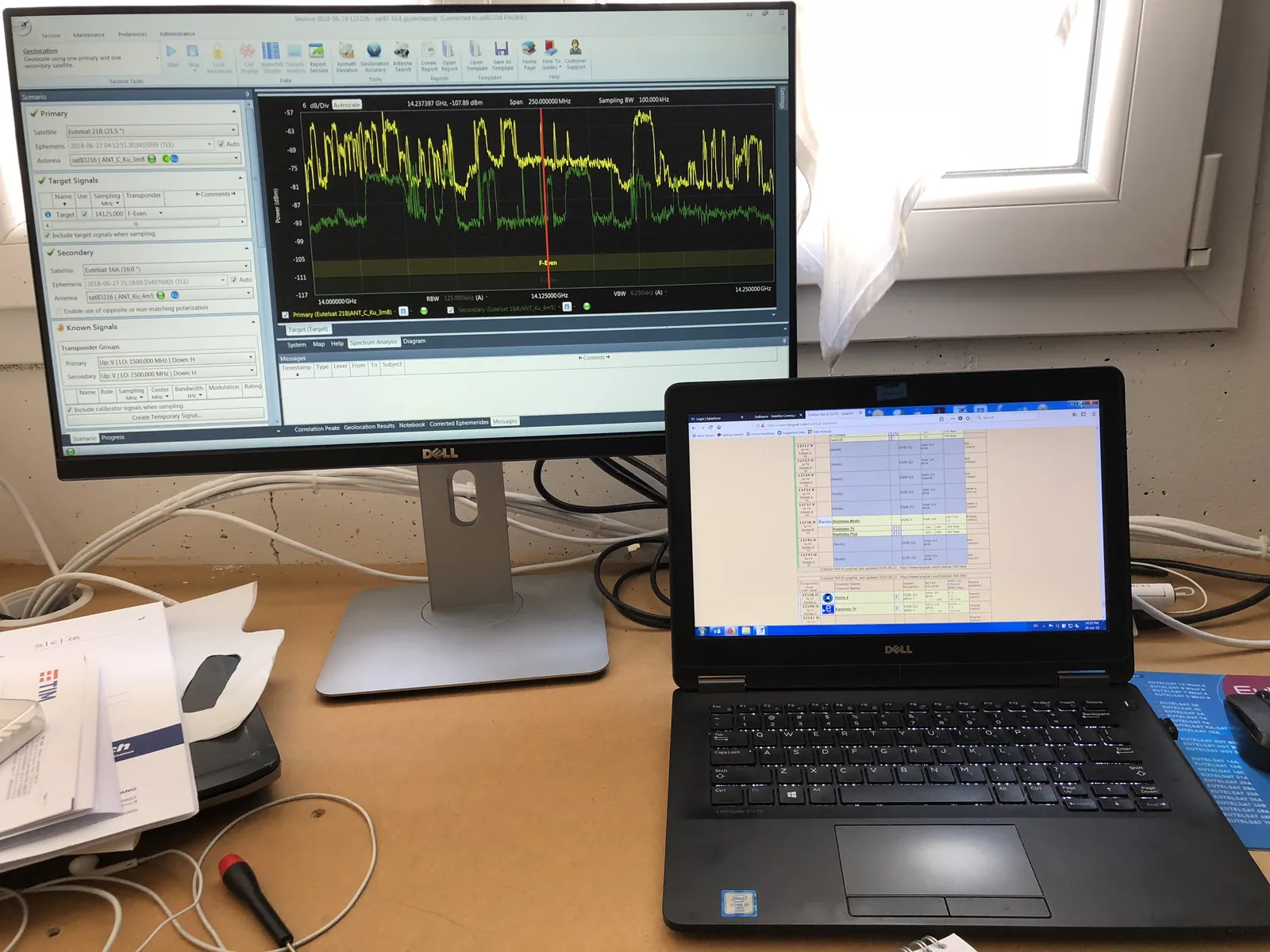
The radio frequency angle
Most of the debate is about debris. I start from the spectrum.
Eleven years in satellite monitoring and interference protection, nine on the board of the Satcoms Innovation Group, and the industry work behind Carrier ID taught me that signals are often the first, and clearest, sign of what is happening in orbit.
Related: Space Radio Monitoring
Questions worth asking
Who tells you when something goes wrong?
Executives: how exposed are your satellite services to congestion, interference or hostile behaviour, and who tells you when it happens?
Investors: does this company own unique data, or only analytics that others can replicate?
Startups: will your buyer be an operator, an agency, a regulator or an insurer, and what will each of them pay for?
How I can help
Turn space safety into a service someone buys.
Positioning SSA and spectrum monitoring offers for operators, agencies and regulators, shaping go-to-market for space safety and security services, and opening doors across the European and Middle Eastern institutional ecosystem.