
Focus · Orbital data centres
Compute is moving into orbit. Who pays for it, and when?
The question is not whether it works. It is where it beats the ground, and for which customer.
Why now
Satellites generate more data than downlinks can carry.
Processing on board, at the ground station or at the network edge cuts latency and bandwidth, and keeps sensitive data under control.
Several projects now go further and propose compute and storage in orbit as a service. The technology is advancing fast. The business case is moving more slowly.
Orbit, edge or ground
Orbit wins only where the alternative is worse.
Launch, power, thermal limits, radiation and hardware refresh make every unit of compute in orbit expensive. Each layer has its own sweet spot.
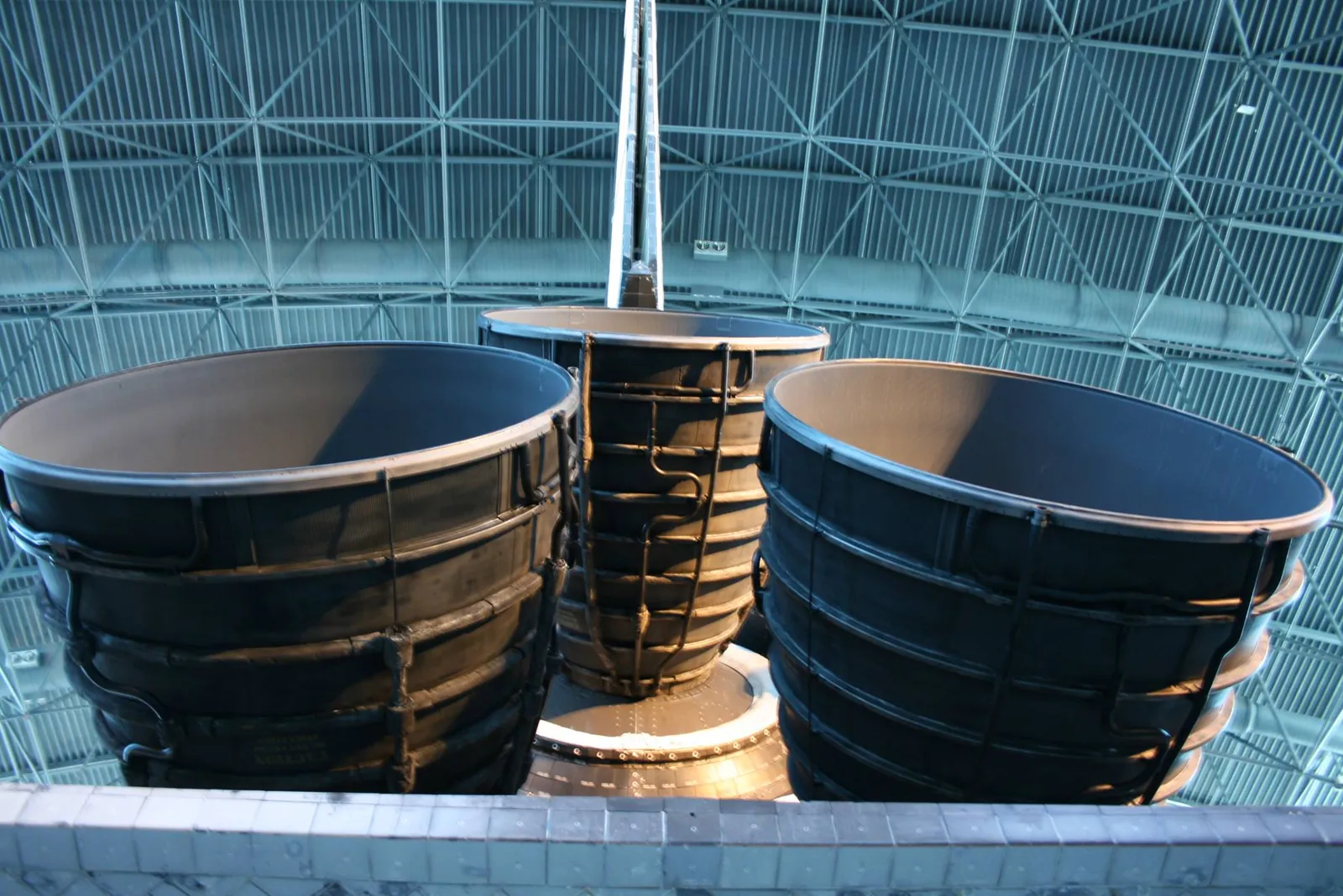

In orbit
Data too large to downlink, decisions that cannot wait for a pass, data that must never touch a foreign ground segment.
Highest cost per unit
At the edge
Processing at the teleport or next to the antenna: low latency, data under local jurisdiction, AI at the point of acquisition.
The step before orbit
On the ground
Large-scale storage and processing in a well placed data centre: for most workloads, still the job done for less.
Lowest cost per unit
Related: Teleports as edge infrastructure
Questions worth asking
Compute, data, or sovereignty: what is really being sold?
Executives: which of your workloads truly need processing in orbit, and which simply need processing closer to the antenna?
Investors: who is the first paying customer, and is the business model compute, data or sovereignty?
Startups: can you prove value on the ground or at the edge first, and move to orbit when the economics allow?
How I can help
Separate the business case from the hype.
Assessing the commercial case, mapping the use cases where orbit beats the ground, and connecting operators, cloud providers and institutional buyers across the space, edge and ground layers.