
Focus · SatCom
The teleport is where space data lands. It is becoming where it is processed too.
Land, power, fibre and trusted customers are turning Europe’s teleports into the natural home for sovereign edge computing.
Why now
Four signals, all pointing to the ground segment.
Teleports are moving into hosting
Low Earth orbit constellations multiply gateways and data volumes. Some teleports, such as Goonhilly in the UK, already sell colocation.
Sovereignty is a procurement fact
The European Commission’s €180 million sovereign cloud contracts, awarded in April 2026 to four European providers, and the IRIS² programme make in-jurisdiction processing a buying criterion.
Consolidation is opening a gap
Goonhilly is now owned by US-based Intuitive Machines (deal completed August 2026); Santander Teleport sits under US-headquartered FMC GlobalSat. Fewer European-owned options remain.
AI wants compute next to the antenna
Earth observation and constellations need processing at the point of acquisition: a new category between cloud and ground segment.
The market
Four kinds of teleport, four different plays.
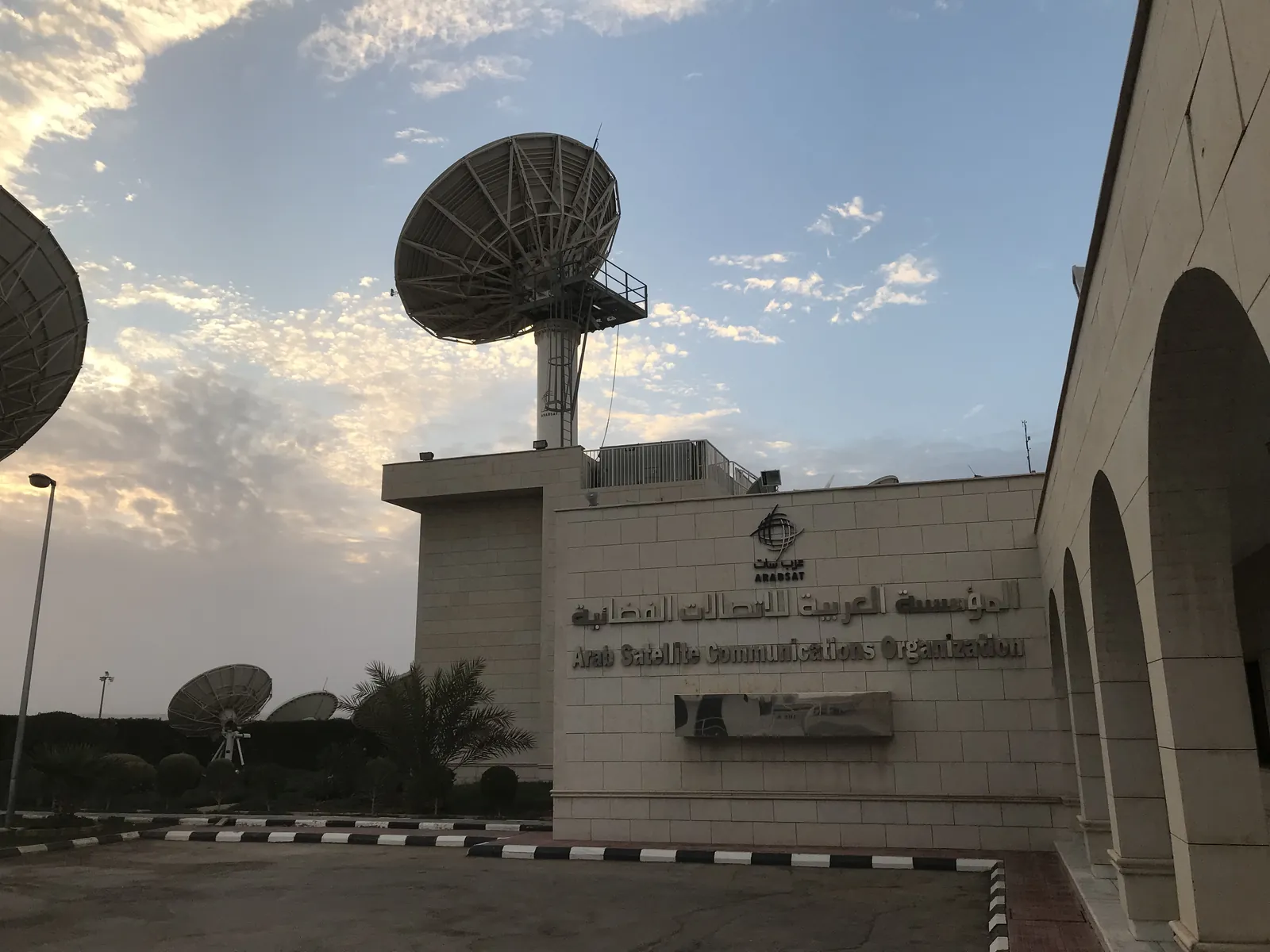
01
Teleport with its own data centre
Lacks a managed cloud platform with AI and 24×7 operations.
Play: the platform inside their halls, revenue shared on every tenant.
Leuk · Goonhilly · Santander · Crawley Court · Usingen · Sofia · Turin · National Space Centre
02
Site with land, power and fibre
Lacks on-site compute and the capital to build it.
Play: a factory-built module on their pad.
Neterra Thracia · Hispasat Arganda
03
Operator-owned captive teleport
Lacks nothing on the antenna side: hosting is simply not their business.
Play: win specific workloads, from payload and mission operations to SSA.
Betzdorf · Fuchsstadt · Rambouillet
04
Institutional hub
Lacks processing next to the downlink, cleared to institutional standards.
Play: edge processing of EO and mission data inside a secure perimeter.
Fucino · Leuk (EUMETSAT ground station)
Deal models
Three ways to work together, in this order.
Step 1
Direct sale
When the teleport or operator is itself the end user.
Risk: one-off, no network effect.
Step 2
Host-and-share partnership
When the partner has the site and the customers, but limited cloud know-how.
Risk: conflict with the partner’s own colocation revenue.
Step 3 · never first
Joint venture
When a sovereign or institutional anchor exists and several sites can pool capacity. One vehicle per jurisdiction.
Risk: governance and capital. It follows a live pilot.
How the pieces connect
Six layers. Each deal stops where it needs to.
A federated network of teleports across countries is the long-run prize, not the entry offer.
1
Site
Power, cooling, a pad for the module.
2
Connectivity
Teleport fibre, points of presence, private links.
3
Landing zone
Modem output lands in storage; processing starts at the downlink.
4
Platform
Cloud, containers, GPU and AI under one service level.
5
Federation
Sites replicate: continuity across teleports and countries.
6
Commercial
Tenant billing, revenue share, pooled capacity.
Questions worth asking
Who owns what happens after the antenna?
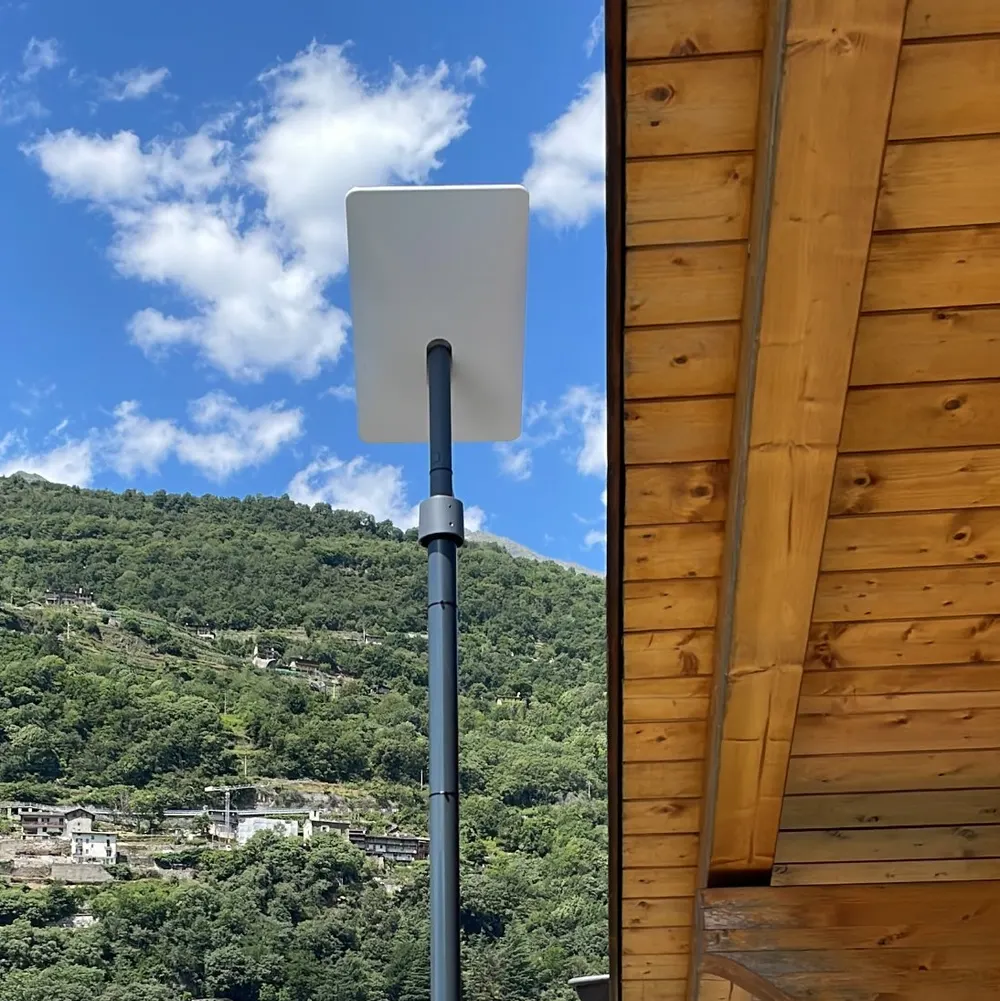
Teleport owners: is your next revenue line in antennas, or in what happens to the data after the antenna?
Executives: who owns and controls the ground infrastructure your services depend on?
Investors: is this a real estate play, a cloud play or a sovereignty play, and who is the anchor customer?
Related: Orbital Data Centres, the step that comes after the ground.
Appendix · Secure governmental satcom
IRIS² will be judged on the ground as much as in orbit.
Europe’s secure connectivity programme needs gateways, payload operations, interference protection and a ground segment that is sovereign by design. These are the layers where secure satcom succeeds or fails, and the ones I have worked on for 38 years.
Payload operations
14 years at Eutelsat, from duty controller to Head of Payload Operations, leading a 27-strong engineering team
Earth station operations
7 years at Telespazio’s Lario Earth Station, on Intelsat and Eutelsat services
RF monitoring and interference
11 years at Kratos and 9 on the Satcoms Innovation Group board, including Carrier ID standardisation by DVB and ETSI
Cloud-based ground segment
Since 2020: cloud ground stations, space cloud, sovereign cloud and edge processing for space
Institutional stakeholders
ESA, EUMETSAT, NATO, ITU, national frequency regulators
How I can help
From market map to signed partnership.
Mapping teleports and ground segment assets, structuring partnerships and joint ventures, and go-to-market for edge and hosting services across Europe and the Middle East.